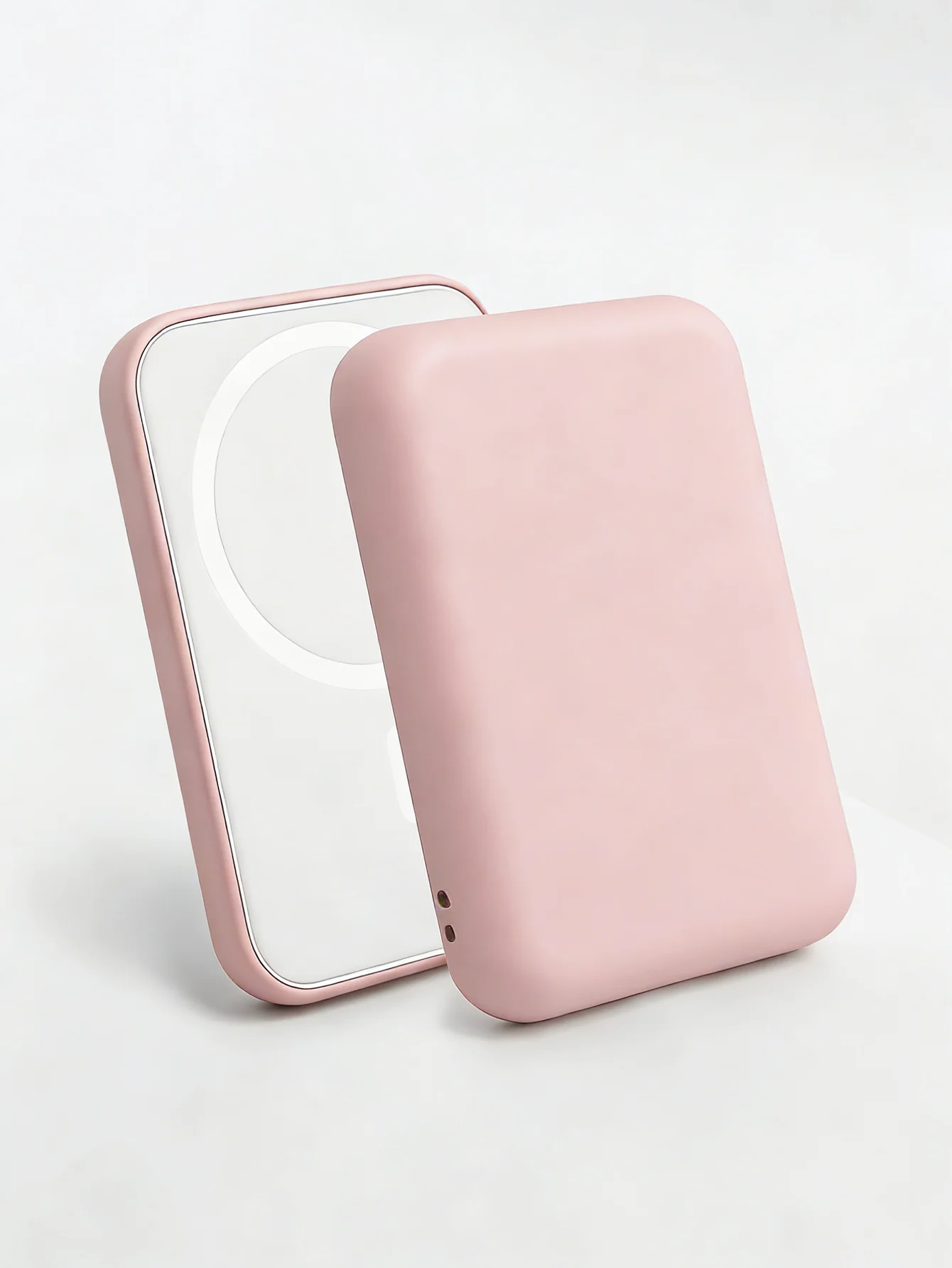
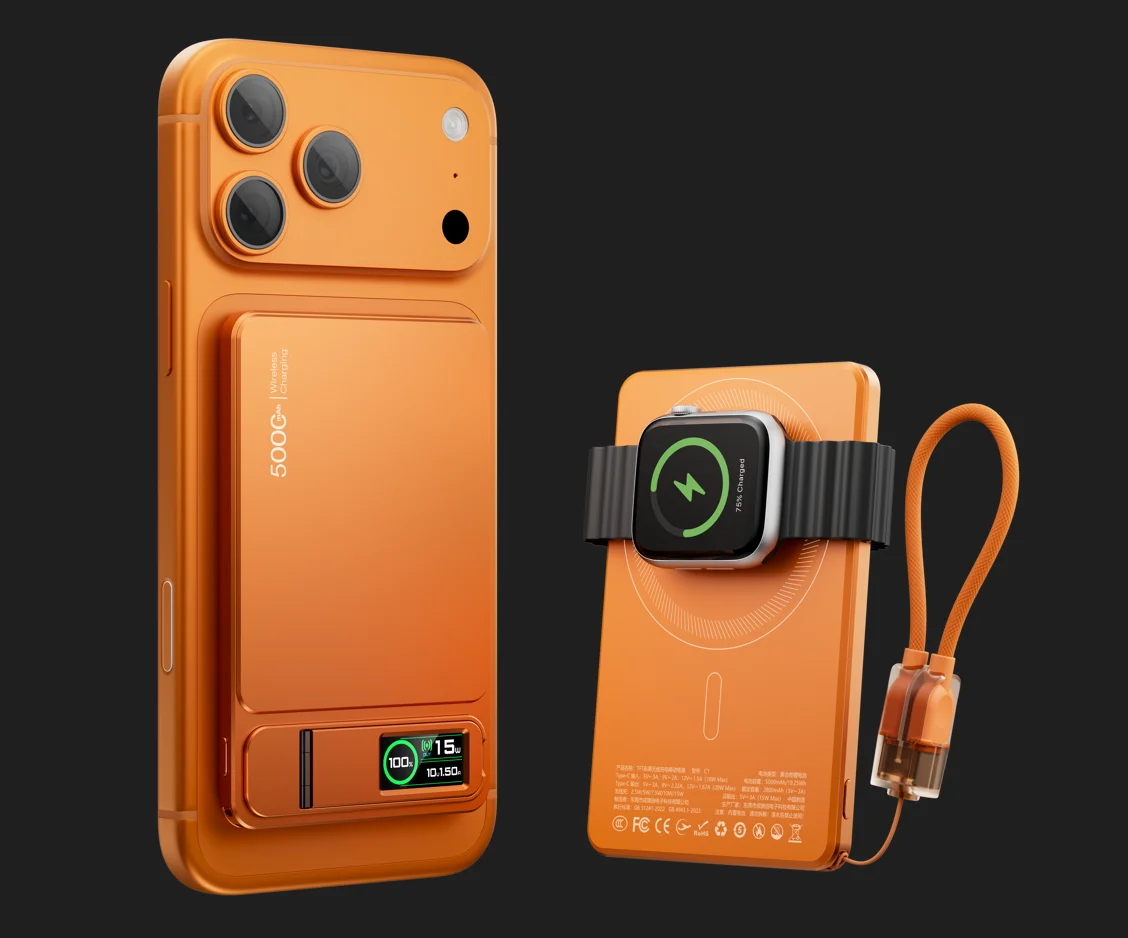
Magnetic power banks stick to the back of the phone and charge without a cable. They are popular with iPhone users, but wireless charging has trade-offs. This guide helps you decide if one is right for you.
How it works
A magnet ring aligns the power bank's wireless coil with the phone's coil. The power bank then transfers energy wirelessly. Because alignment is automatic, charging is more reliable than a loose wireless pad.
MagSafe, Qi2 and 'MagSafe-style'
MagSafe is Apple's system. Qi2 is the open standard with a similar magnetic ring. Many cheaper power banks say 'MagSafe-style', which usually means compatible magnets but not necessarily Apple's certification. Read reviews about magnet strength and charging speed.
Speed and heat
Wireless charging is typically 5W to 15W, slower than a USB-C cable, and it creates more heat. That is fine for a top-up while you use the phone, but not for a fast charge before you leave home.
Cases and fit
A thick case, a metal plate or a wallet card can weaken the connection. Use a MagSafe-compatible case, and avoid placing a card between phone and power bank.
Do you want a USB-C port too?
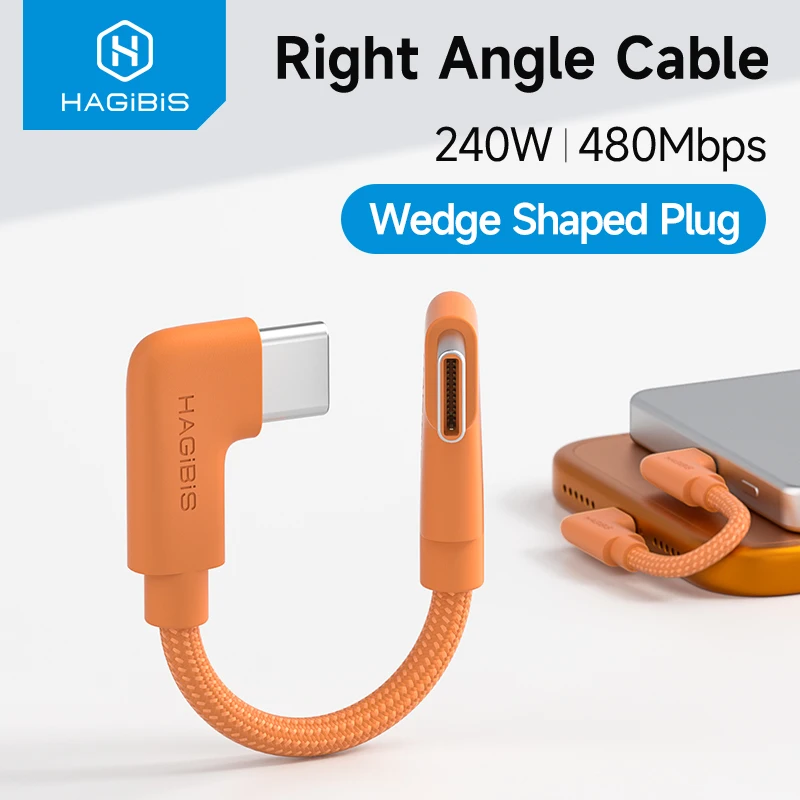
Choose a magnetic power bank that also has a USB-C port. It lets you charge the power bank itself and gives you a wired option when you need speed.
Frequently asked questions常見問題
Will a magnetic power bank work with Android?
Only with a magnetic case or ring, and only if the phone supports Qi wireless charging.
Is a magnetic power bank slower?
Yes, it is slower than a cable and wastes more energy as heat.
Can it damage my phone?
A well-made unit should not. Avoid very hot charging, and stop using the unit if it gets unusually hot.
![[CCC Certification] Vention Magnetic](https://ae-pic-a1.aliexpress-media.com/kf/S4f6123c2e9ea4735b2dfd6527c5a1e669.jpg)