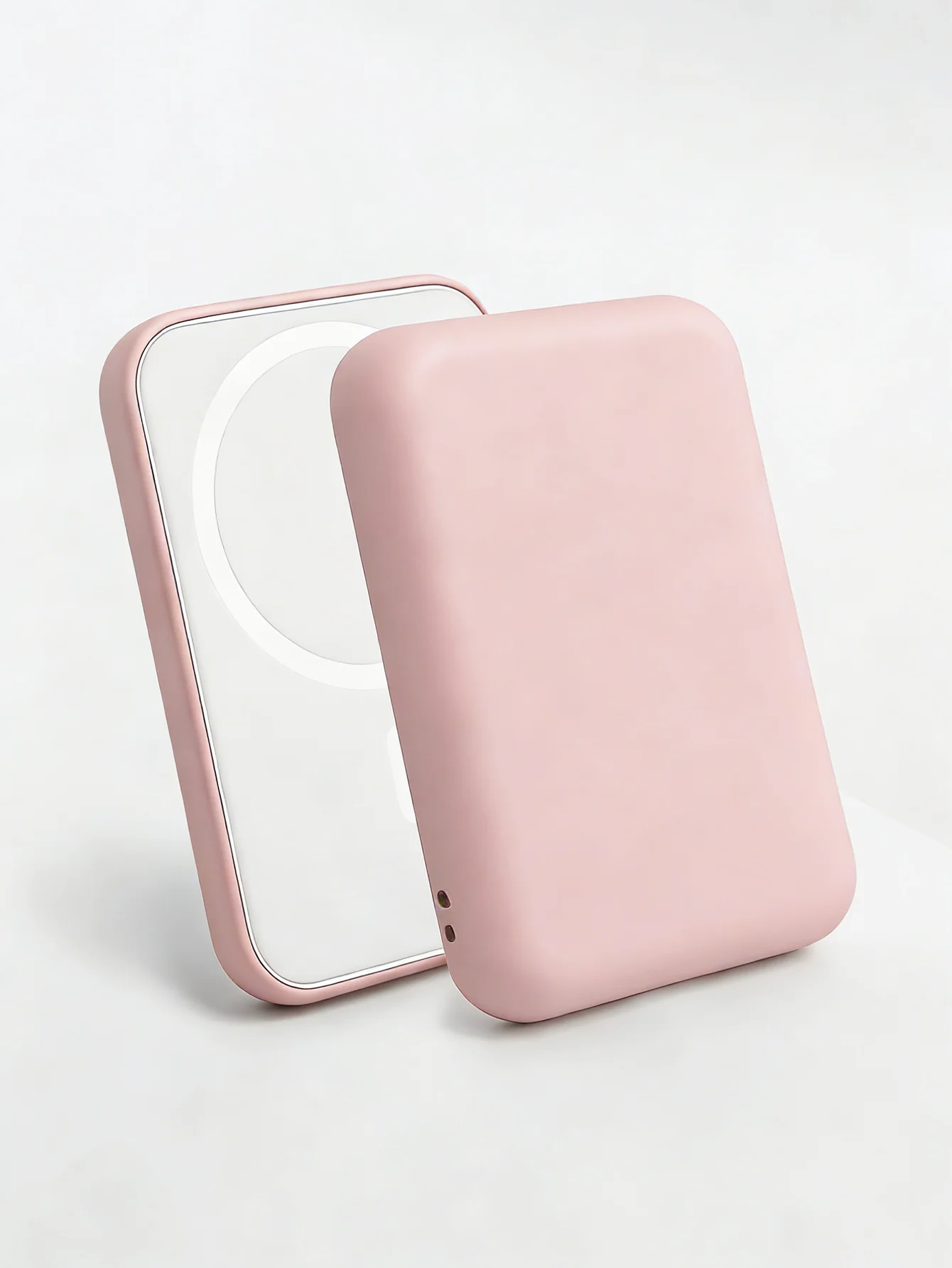
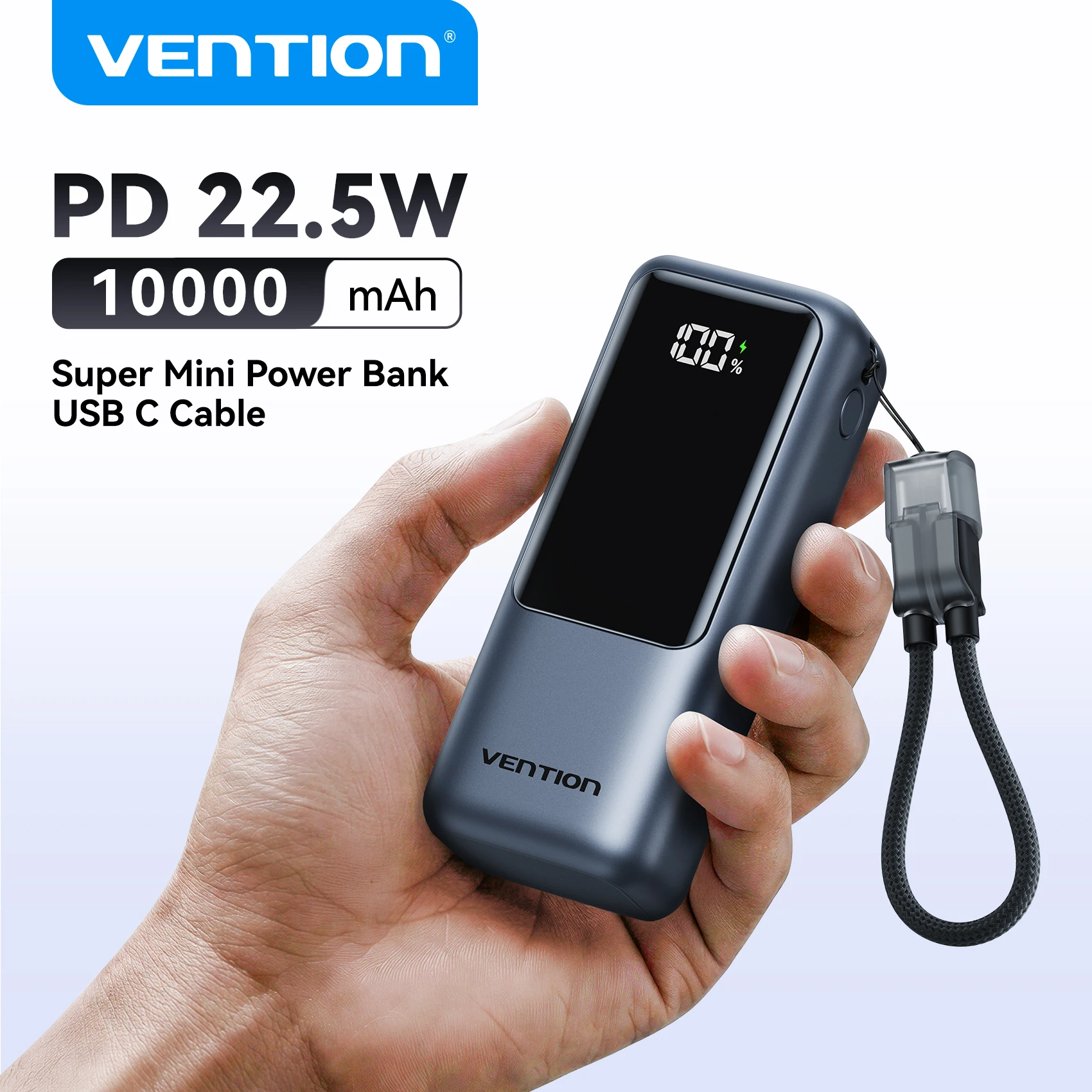
A power bank stores a lot of energy in a small package. Good ones are safe, but cheap, badly made ones can overstate capacity or overheat. This guide is general safety advice, not a substitute for the manufacturer's instructions.
Fake capacity
Some listings print 30,000 mAh on a unit with half that capacity. Signs: a price far below similar models, a weight that seems too light, and reviews that mention it dies much sooner than expected.
Protections to look for
A well-designed power bank protects against overcharge, overcurrent, short circuit and over-temperature. A good listing mentions this clearly, and shows photos of the label with the rating.
Warning signs
Stop using the unit if it swells, gets very hot, smells odd, leaks or makes noise. Do not keep using a damaged power bank, and do not try to open it.
Safe habits
Do not charge it under a pillow, on a soft bed or in direct sun. Use a good cable and charger. Keep it away from water and heat, and never leave it in a hot car in Hong Kong's summer.
Disposal
Do not throw a swollen lithium battery in household rubbish. Take it to a battery recycling point or follow local guidance for hazardous waste.
Frequently asked questions常見問題
How can I tell if a power bank is fake?
Check the weight, the price against similar models, the label photos and recent reviews. Be suspicious of very high capacity at a very low price.
Is it safe to charge a power bank overnight?
It is safer to charge it while you are awake, on a hard surface, and unplug it when it is full.
What do I do if my power bank swells?
Stop using it, unplug it, keep it away from flammable items and take it to a battery recycling point.